
The Ultimate Guide to Sustainable Janitorial Practices for Modern Offices
Understanding Sustainable Janitorial Practices
In today's eco-conscious world, adopting sustainable janitorial practices is more than just a trend—it's a responsibility. By integrating environmentally friendly methods into office cleaning routines, businesses can significantly reduce their carbon footprint while promoting a healthier work environment. This guide explores the core components of sustainable janitorial practices and how modern offices can benefit from them.

Choosing Green Cleaning Products
The first step towards sustainability is selecting the right cleaning products. Traditional cleaning agents often contain harsh chemicals that are harmful to both the environment and human health. Instead, opt for eco-friendly cleaning products that are biodegradable and free from toxic substances. Look for certifications from reputable organizations to ensure the products meet environmental standards.
Using products with natural ingredients not only reduces pollution but also minimizes the risk of allergies and respiratory issues among employees. This simple switch can lead to a more productive and healthy workplace.
Waste Reduction and Recycling
Another crucial aspect of sustainable janitorial practices is effective waste management. Offices should implement comprehensive recycling programs to ensure that materials like paper, plastic, and glass are properly sorted and recycled. Providing clearly labeled bins and educating staff about recycling protocols can significantly enhance participation.
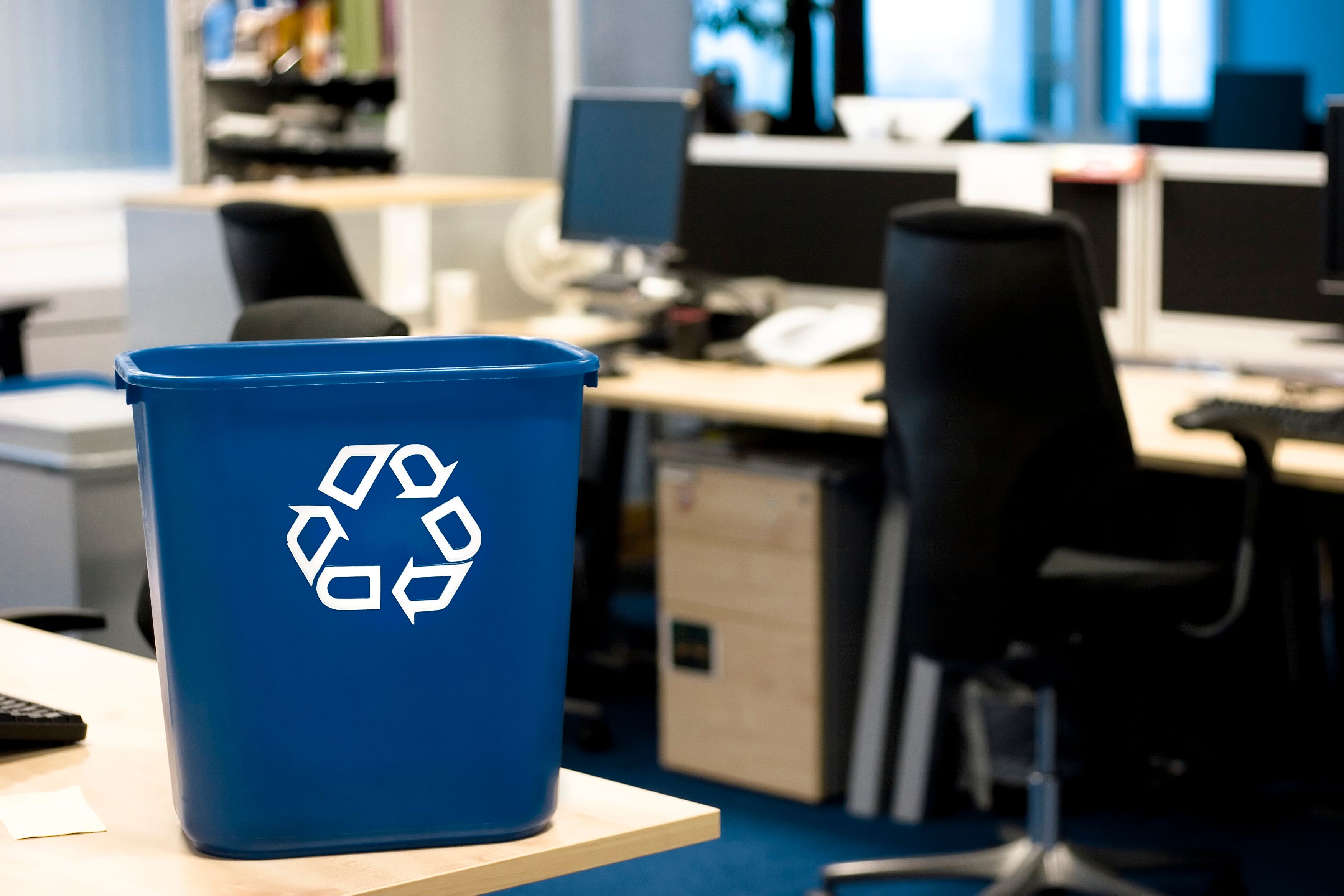
Additionally, reducing waste starts with minimizing the use of disposable products. Encourage the use of reusable cloths and mops instead of single-use items. This not only cuts down on waste but also reduces long-term costs.
Energy-Efficient Cleaning Equipment
Investing in energy-efficient cleaning equipment can further enhance sustainability efforts. Modern vacuums, floor scrubbers, and other janitorial machines are designed to consume less power while delivering superior performance. By choosing equipment with the Energy Star label, offices can save energy and reduce utility bills.
Regular maintenance of cleaning equipment also plays a vital role in ensuring they operate efficiently. Properly maintained machines last longer and contribute to fewer emissions over time.

Implementing Water Conservation Techniques
Water conservation is an often-overlooked component of sustainable janitorial practices. Simple measures like using microfiber mops that require less water, fixing leaks promptly, and installing low-flow faucets can make a significant difference. Training staff to use water judiciously during cleaning activities is equally important.
Offices can also explore rainwater harvesting systems for non-potable uses, such as landscaping and cleaning, to further reduce water consumption.
Training and Engaging Staff
For sustainable practices to be effective, it's essential to engage and train staff. Conduct workshops and training sessions to educate the janitorial team about the importance of sustainability and the specific practices being implemented. Empowering employees to suggest improvements can lead to innovative solutions and increased commitment.

By fostering a culture of sustainability, businesses not only enhance their environmental impact but also build a positive brand image that resonates with clients and partners.
Measuring and Reporting Progress
To ensure continuous improvement, offices should regularly measure and report their sustainability efforts. Set clear goals and use metrics to track progress. Reporting these achievements can motivate staff and demonstrate accountability to stakeholders. Consider employing third-party audits for an unbiased assessment of sustainability practices.
Ultimately, sustainable janitorial practices are not just about cleaning—it's about creating a better future for everyone involved. By embracing these practices, modern offices can lead the way in corporate responsibility and environmental stewardship.